Jillian Tamaki and Dan Berry talk amongst other things about ideas, the evolution of a style and faith.
Check out the Patreon campaign to help support the show!

Jillian Tamaki and Dan Berry talk amongst other things about ideas, the evolution of a style and faith.
Check out the Patreon campaign to help support the show!
Cathy G Johnson and Dan Berry get together to talk about ideas, the creative process, “romance”, curating an event and how seductive images can be.
Check out the Patreon page and help support the show’s production.
Cathy G Johnson and Dan Berry get together to talk about ideas, the creative process, “romance”, curating an event and how seductive images can be.
Check out the Patreon page and help support the show’s production.
Neil Slorance and Dan Berry sit down to talk about process, working with a writer, reviews and being part of a creative community.
Check out the Patreon page for the show! Donate a dollar or two per episode to help support the show’s production.
Neil Slorance and Dan Berry sit down to talk about process, working with a writer, reviews and being part of a creative community.
Check out the Patreon page for the show! Donate a dollar or two per episode to help support the show’s production.
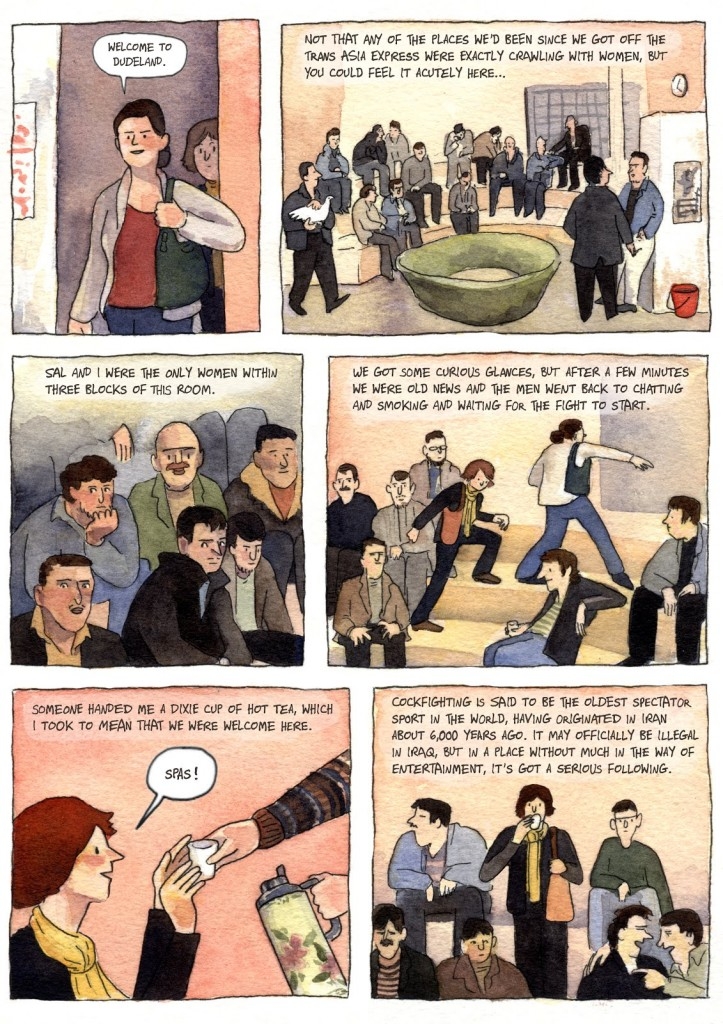
I get asked questions occasionally about the process of making comics. I’ve passed this particular question on to a handful of the people I’ve interviewed for them to answer, and I’ll post up more as they come in.
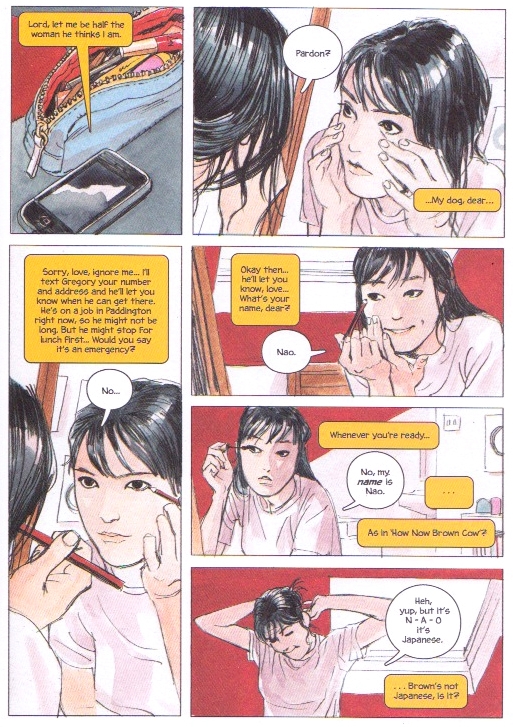
I remember this being a big concern of mine when I started drawing comics, and I get asked this pretty frequently. Probably more of a concern that actually telling a story if I’m honest. I think this is a question that gets asked a lot because it is so apparent when the characters don’t look consistent. Here’s how John Allison, Viv Schwarz, Glyn Dillon and Sarah Glidden tackled this topic;
John Allison (Listen to his interviews here and here)
I’m not sure I ever worked this out in a scientific way. When I was a kid, I drew Transformers comics, and because I was a kid who liked the toys, I knew where all the different bits of their faces went. Optimus Prime had that barn door over his mouth, Jazz and Blaster had visors over their eyes, Shockwave had a hexagon head. Their blocky appearance made getting all those bits in line easier.
I think that’s still what I do. I know what shape a character’s face is, what shape their nose is, what kind of eyes they have, and I put them in the same place each time. And I know that if I don’t properly work out a new character today, and try to draw them several times in the same comic, they don’t look the same each time. It’s not magic, you just get better at copying yourself.
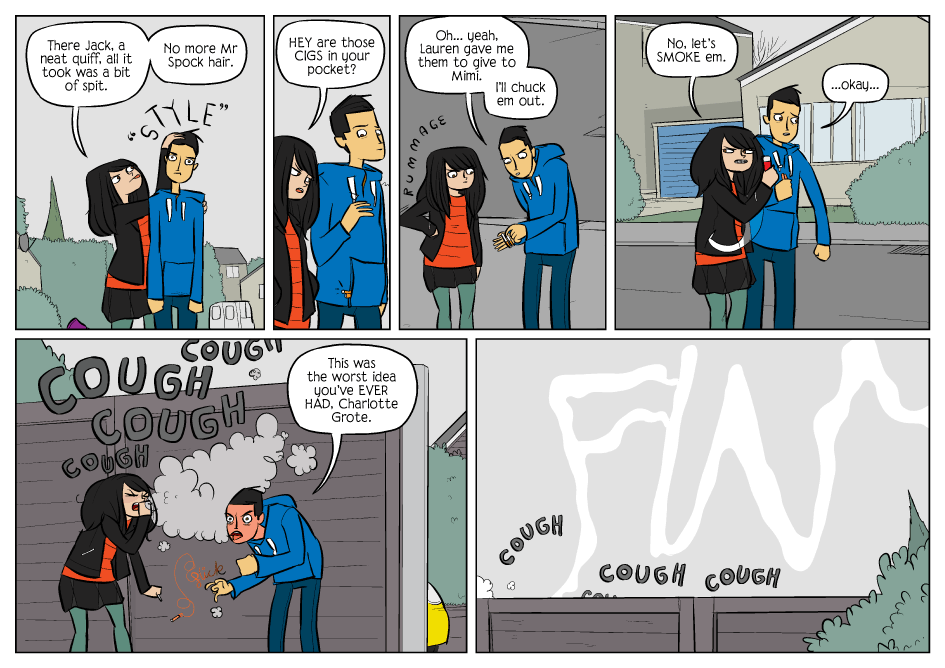
Viv Schwarz (interviewed here and here)
Good question.
I draw my characters without worrying too much beyond a simple set of rules about their individual proportions, concentrating more on their stance and expression. Then I check all the drawings, comparing them carefully and correct them in Photoshop where they are too far off.
I allow myself some room for variation because my characters tend to be a bit amorphous, their whole shape changes with emotion and their features wander a bit – that’s what I’ve observed happens in animals where feathers, fur or loose skin allow for a lot more expressive shape shifting. I am allowing that for my human characters to some extent as well because I think it reads just fine. I’m also making all the characters in any given story look quite different so that they are easy to recognise even if their shape varies a bit.
I couldn’t keep the faces completely consistent anyway because I myself can’t recognise real people by their features and have to memorise their voice, smell, stance, hairstyle and so on instead. I think that actually helps my drawing more than it hinders.
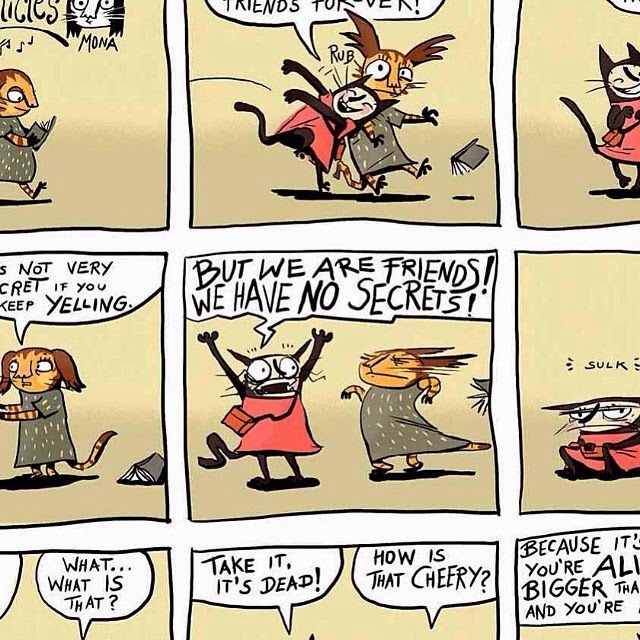
Glyn Dillon (Interview here)
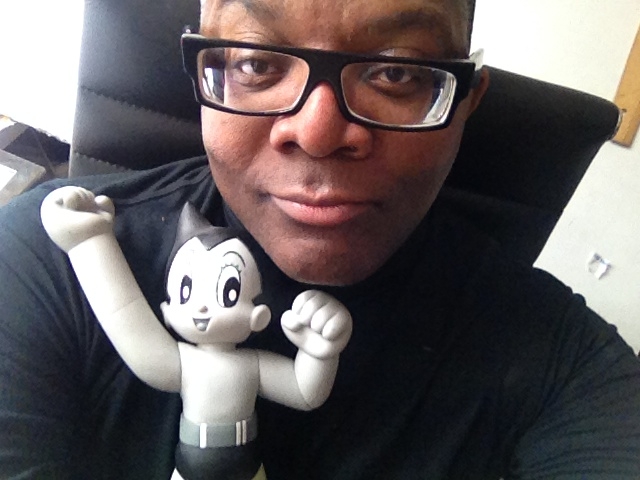
Woodrow Phoenix and Dan Berry talk about the shape of stories, typography, pushing the boundaries of what you can do with comics and an enormous book that you can not buy on Amazon.
Be sure to check out the Make/Tell Patreon campaign and consider donating a dollar or two per episode to help in the production of the show.
Woodrow Phoenix and Dan Berry talk about the shape of stories, typography, pushing the boundaries of what you can do with comics and an enormous book that you can not buy on Amazon.
Be sure to check out the Make/Tell Patreon campaign and consider donating a dollar or two per episode to help in the production of the show.
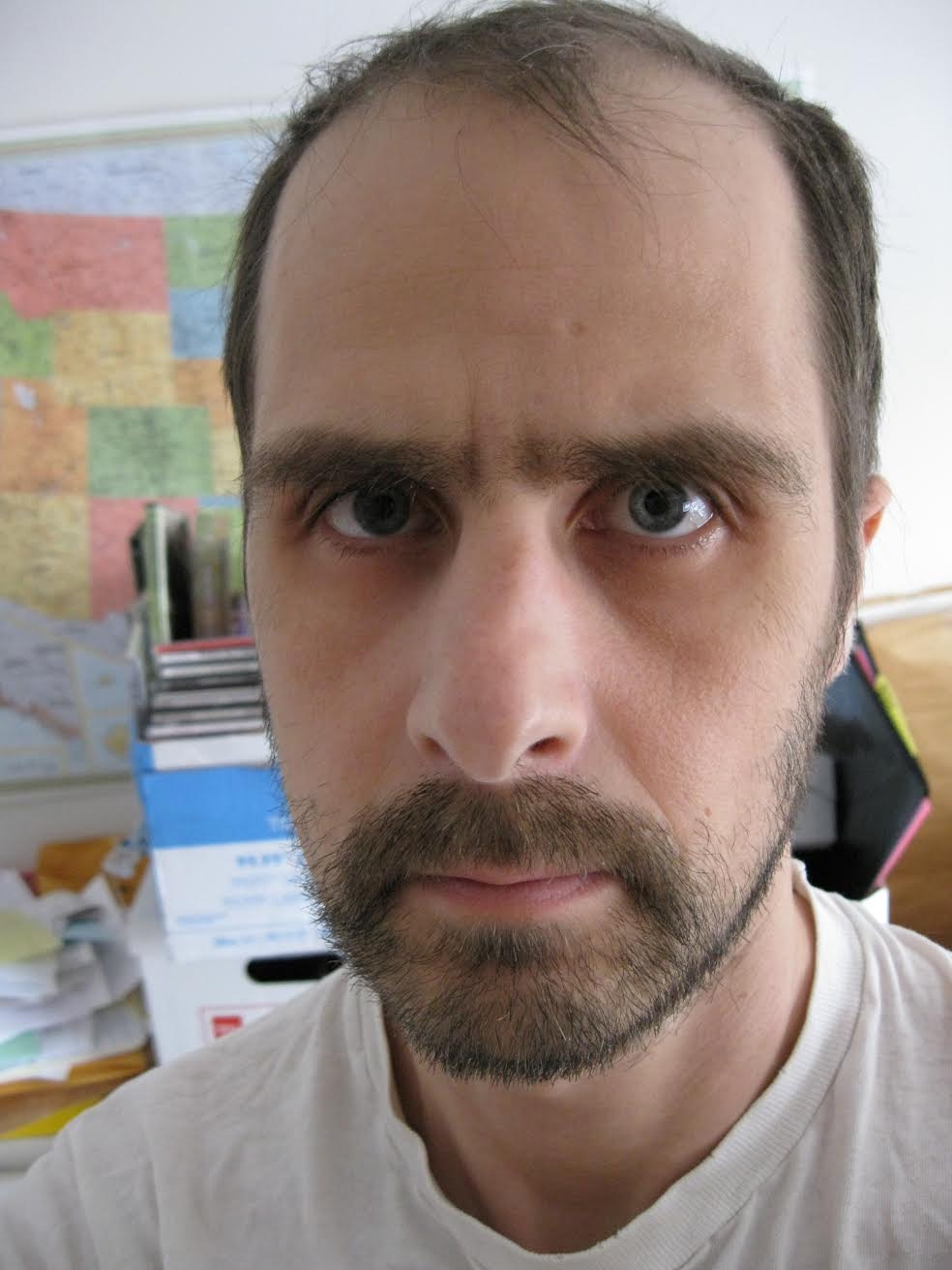
John Porcellino and Dan Berry get together to talk about 25 years of King-Cat Comics and Stories, punk rock, style, sickness and health. John also has a new book coming out imminently from Drawn & Quarterly entitled The Hospital Suite and a US tour, so check both out quick as you can!
Also check out the Patreon campaign to help support the show. Every one of your dollars helps in the production of this show a great deal. Check out this episode!
John Porcellino and Dan Berry get together to talk about 25 years of King-Cat Comics and Stories, punk rock, style, sickness and health. John also has a new book coming out imminently from Drawn & Quarterly entitled The Hospital Suite and a US tour, so check both out quick as you can!
Also check out the Patreon campaign to help support the show. Every one of your dollars helps in the production of this show a great deal.

Patrick Kyle and Dan Berry talk about self publishing, risographs and dream logic. Patrick’s book Distance Mover is out from Koyama Press in September.
Please consider joining the Patreon campaign to help support the show. Many people donating small amounts of money makes a huge difference to the production of the show.
Patrick Kyle and Dan Berry talk about self publishing, risographs and dream logic. Patrick’s book Distance Mover is out from Koyama Press in September.

Jesse Jacobs and Dan Berry’s conversation about process, stories, sketchbooks and wilderness confection is made all the more dramatic by being recorded during a booming thunderstorm.
Help support the podcast with your hard earned dollars on the show’s patreon page!
Jesse Jacobs and Dan Berry’s conversation about process, stories, sketchbooks and wilderness confection is made all the more dramatic by being recorded during a booming thunderstorm.
Help support the podcast with your hard earned dollars on the show’s patreon page!
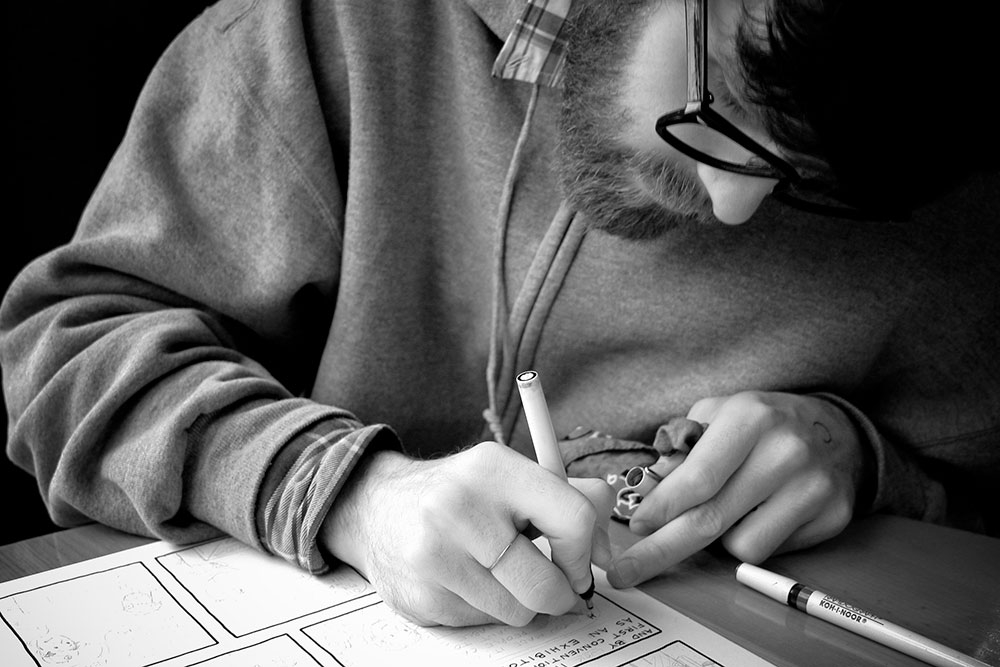
Alec Longstreth and Dan Berry talk about convention etiquette, ten whole years of his life represented by a book you could kill someone with and his Schedule.
Check out the Patreon campaign to help support the show!
Alec Longstreth and Dan Berry talk about convention etiquette, the whole years of his life represented by a book you could kill someone with and his Schedule.
Check out the Patreon campaign to help support the show!
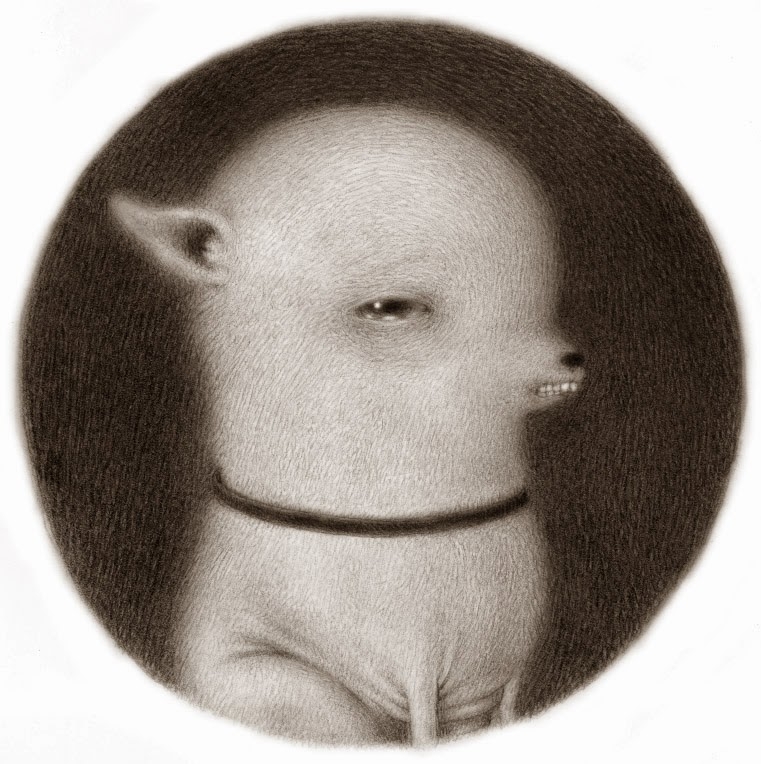
Renee French and Dan Berry talk about getting into a project, falling in love with drawing tools, where ideas come from and how they incubate.
Get over to Patreon right this second to help support the show!
Renee French and Dan Berry talk about getting into a project, falling in love with drawing tools, where ideas come from and how they incubate.
Get over to Patreon right this second to help support the show!
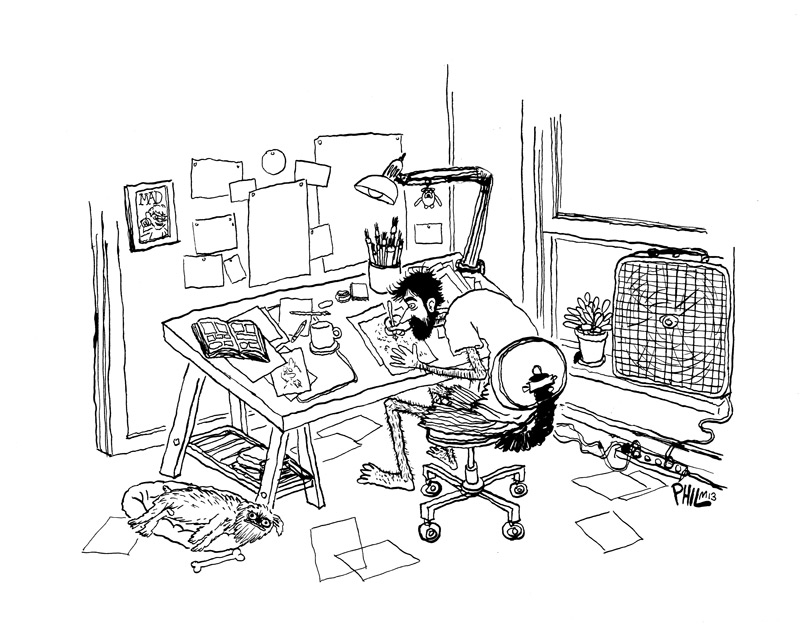
Phil McAndrew and Dan Berry talk about pitching a tv show, the similarities between working with an idea and squishing a bug and Super Obvious Secrets.
Head over to the Make/Tell Patreon page to help support the show.